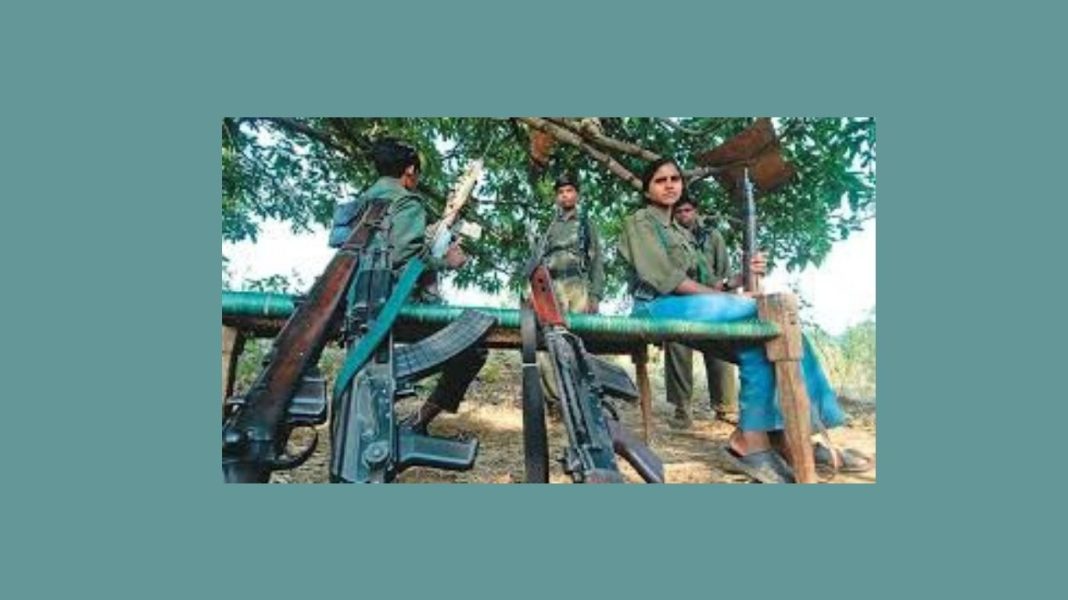


28 Naxalites surrender in Chhattisgarh’s Narayanpur in a major breakthrough for security forces, with 22 of them carrying a collective bounty of ₹89 lakh. The large-scale surrender marks a significant setback for Maoist operations in the Bastar region and highlights the growing impact of rehabilitation programmes and continued security pressure.
High-profile cadres among those who surrendered
According to police officials, the group consists of several hardcore cadres of the CPI (Maoist), including individuals associated with the Eastern Bastar Division.
The surrender list also includes:
- Four divisional-committee level members
- Members of Military Company No. 6, a key armed wing of Maoists
- Several area committee members responsible for recruitment and local-level operations
Police officials confirmed that some insurgents also laid down weapons, including rifles such as SLR, INSAS, and .303, strengthening the intelligence value of the surrender.
19 women among the 28 surrendering cadres
A notable aspect of this event is the presence of 19 women among the 28 surrendering Naxalites. Officials say this highlights a “significant shift” within Maoist ranks, where female cadres are increasingly choosing to detach themselves from the organization due to harsh living conditions, declining influence, and continuous security pressure.
Why they surrendered: Government schemes & ongoing pressure
Authorities attribute this surrender to a combination of sustained security operations and rehabilitation-focused government initiatives.
Key drivers include:
✔ Niyad Nellanara (Your Good Village) Initiative
This scheme focuses on improving socio-economic conditions in remote tribal villages, reducing Maoist influence and offering communities better alternatives.
✔ Poona Margham rehabilitation program
A reintegration pathway for surrendered Naxalites, providing financial assistance, housing support, vocational training, and livelihood opportunities.
Officials say that the ongoing counter-insurgency operations have weakened Maoist mobilization in the region, prompting many cadres to voluntarily seek a return to mainstream life.
A major blow to Maoist operations
The surrender of 28 cadres — especially 22 reward-listed members — is considered a strategic defeat for the Maoists operating in Narayanpur, Abujhmad, and adjoining forest belts.
Security agencies believe the incident will:
- Reduce operational capacity of armed squads in the region
- Create psychological pressure on remaining cadres
- Strengthen the flow of intelligence from reformed members
- Boost confidence among tribal communities affected by insurgency
Senior police officials hailed the development, calling it “a massive step toward lasting peace in Bastar.”
Next steps for the surrendered cadres
All 28 individuals will now be processed under the state’s surrender and rehabilitation framework. They will undergo counseling, verification, and documentation before receiving assistance as per policy. Many will be enrolled in skill-building or livelihood programs to support their reintegration into society.
A turning point for Narayanpur?
With this surrender, Narayanpur district has recorded one of its largest single-day reconciliations of Maoist cadres in recent years. Officials believe this momentum could influence more militants to give up arms, particularly from deep forest zones like Abujhmad, where Maoists have traditionally held strong presence.
The continued combination of development outreach, community engagement, and targeted security operations appears to be reshaping the local dynamics of insurgency in Chhattisgarh — potentially signaling a slow but steady decline in Maoist influence.